What is the best second hand car for $10,000? A practical guide
This guide explains how to find reliable used cars under 10000, focusing on realistic expectations, safety checks, and inspection steps. It combines model-family guidance, how to read IIHS and NHTSA records, and practical checklists to reduce risk when shopping around USD 10,000.
A step-by-step workflow for estimating a truck's market value that centers on comparing consumer valuation tools, adjusting for mileage and condition, and checking wholesale market signals. The guide explains private-party, trade-in and dealer retail values and shows how a vehicle history report and pricing insights can change an asking price.
This guide helps research oriented buyers evaluate suv used cars for sale under $25,000 by combining safety ratings, reliability data, local pricing context, and vehicle history checks. It outlines a simple framework, a pre visit checklist, and a decision scoring worksheet so you can compare finalists before contacting a dealer. Use the steps here to narrow candidates and confirm risk signals with a vehicle history report and a pre purchase inspection.
When searching suv used cars for sale, prioritize model year, trim and powertrain before choosing a make or model. This guide explains how safety ratings, dependability studies and local pricing insights combine to produce a short list you can verify with a vehicle history report. It also provides a stepwise checklist you can use before contacting a dealer.
Buying with about USD 10,000 takes a research-first approach. This guide explains realistic expectations, model families to consider, and step-by-step checks to reduce risk.
You will learn how to use safety ratings, vehicle history reports and local pricing context to prioritize listings, what to ask dealers, and how to arrange a meaningful pre-purchase inspection.
A $10,000 budget typically finds compact and midsize cars from about 2010 to 2016, but local supply and mileage affect choices.
Vehicle history reports and price-analysis labels speed shortlist work, but an independent mechanical inspection remains essential.
Confirm title status, maintenance records and completed recall repairs before you make an offer.
What 10,000 dollars typically buys today: quick reality check
With roughly USD 10,000 to spend, most buyers will find compact and midsize cars from earlier model years, and local supply strongly affects which years and mileages are available. In many U.S. markets a $10,000 budget commonly corresponds to model years in the roughly 2010 to 2016 range, though mileage and regional demand can shift that window; use local pricing guides to set expectations before you search Edmunds pricing guidance.
Age, mileage and region interact: a newer vehicle with high mileage can cost about the same as an older low-mileage example, and both the wear profile and remaining life depend on maintenance history and how the car was used. Compare local listings side by side and then check the typical price band for that zip code before you travel to see a car.
When you build search filters, target the combination of model year, maximum mileage and trim that fits your priorities. Use Kelley Blue Book and Edmunds local valuation tools to narrow results to realistic matches for your area Kelley Blue Book market context.
Use local pricing tools to set realistic search filters
Use local ZIP code when available
That approach helps you avoid two common mistakes: searching nationally without accounting for local supply, and focusing only on advertised price without factoring likely repairs or transfer costs. Early filtering saves time and reduces surprises when you inspect the car in person.
Why reliability and safety checks matter for used cars under 10000
Authoritative buyer guides repeatedly show compact and midsize models as commonly reliable options for buyers in this price band; using those guides can help you prioritize which model families to research further Consumer Reports guidance. See U.S. News reliability lists for another perspective U.S. News.
Safety performance, however, depends on the exact model year and trim. Before you commit, consult IIHS crash-test ratings and NHTSA data for the specific model-year and trim you are considering to confirm whether key ratings and open recalls affect that vehicle IIHS vehicle ratings.
Reliability and safety also influence total cost to own: cars with stronger reliability records tend to need fewer unexpected repairs and may hold value better, but exact costs depend on local insurance and fuel pricing and the vehicle's recorded maintenance history.
Top model families to prioritize for reliability and value
Several compact and midsize families recur in buyer reports as sensible starting points for a $10,000 budget, because they tend to have broad parts availability and large service knowledge among independent mechanics. Examples often cited include Toyota Corolla, Honda Civic, Toyota Camry, Honda Accord and Mazda3 Edmunds model lists and MotorTrend's roundup MotorTrend.
Model family is a starting point, not a guarantee. The same family can include well-maintained examples and poorly maintained ones; focus on maintenance records, trim-level equipment and the specific model-year build changes that affect long-term reliability.
Compact and midsize models often provide the best starting point, but choosing the right car depends on the exact model-year, trim, maintenance history and a mechanic inspection to confirm condition.
When you compare listings within a family, prioritize those with documented service history and a single-owner pattern where possible. Use the vehicle history report and ask for records that show regular scheduled maintenance to separate better examples from higher-risk ones.
How to read safety ratings and recall history for each listing
IIHS provides detailed crash-test results across categories like small overlap and side impact; read the star or rating details for the exact model-year and trim to see which tests are relevant for your priorities IIHS vehicle ratings and consult IIHS safe vehicle guidance for teens and smaller cars IIHS safe-vehicles guide.
NHTSA offers VIN-based recall lookup and crash-test records that help you confirm whether an individual car has open recalls or a history of safety-related issues. Ask the seller to confirm whether recall repairs were done and request documentation of any completed recall work NHTSA buying guide.
If a recall appears on the VIN record, request proof of repair or a written plan from the dealer for completion before you buy. Unrepaired safety recalls are a clear reason to pause until they are resolved.
Using vehicle history reports and price-analysis labels to prioritize listings
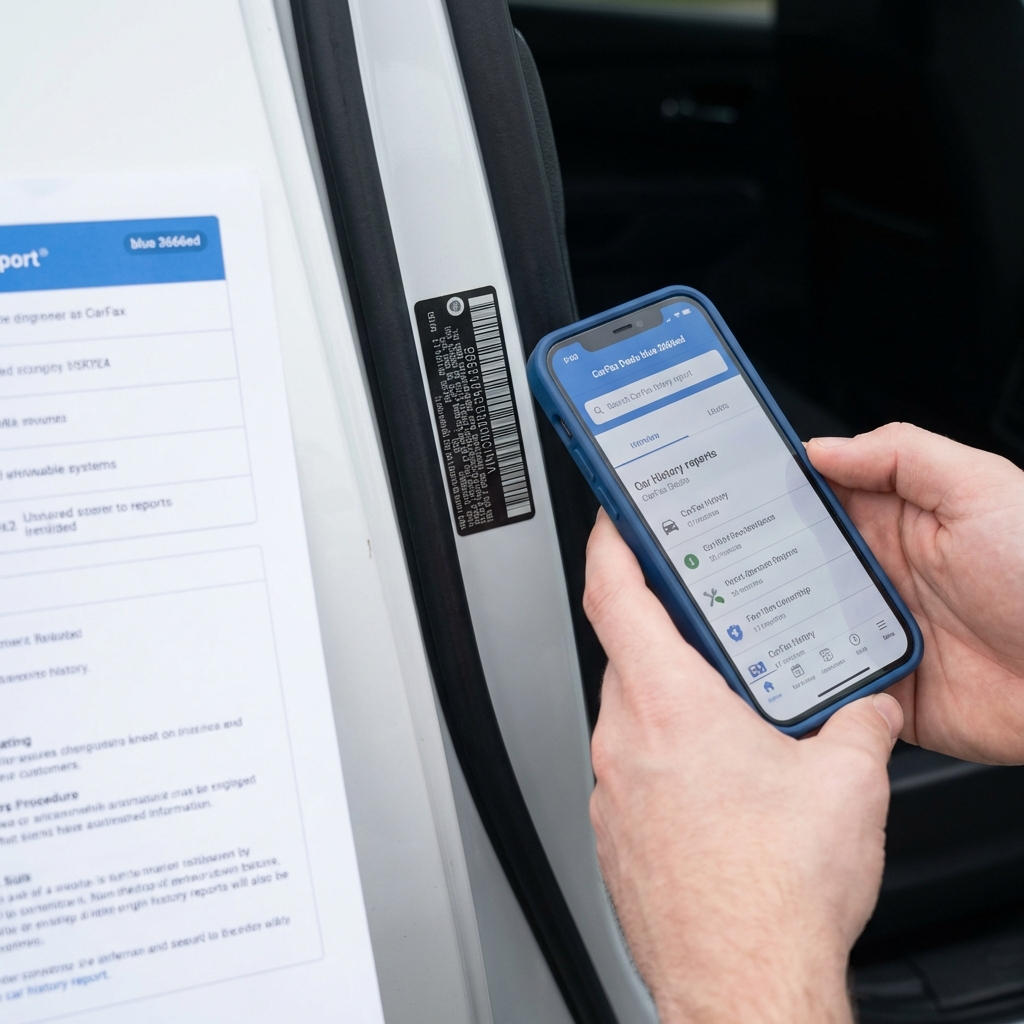
A typical vehicle history report lists accident history, ownership history, service records if available, mileage checks and title status. Use that information to spot red flags and to confirm basic details the seller provides and run a VIN report at CarFax Deals VIN report. CarFax Deals overview.
Price-analysis labels such as Great Deal, Good Deal or Fair Deal are comparative signals that help rank listings, but they are not guarantees of condition. Treat those labels as a shortcut to prioritize which cars to inspect in person, and always corroborate with a history report and a mechanic's inspection.
When a report shows a title branding, major accident, or mileage discrepancy, escalate caution and get an independent mechanical inspection before making an offer. Use pricing context to decide which listings are worth the inspection time.
A simple price and total cost to own framework for $10,000 buys
Estimate short-term affordability by adding likely immediate repairs, a conservative maintenance reserve and insurance to the purchase price. Include fuel, insurance, maintenance and expected near-term repairs to get a practical total cost to own estimate Kelley Blue Book cost context.
Reliability data and EPA fuel-economy figures for the exact powertrain help you adjust estimates. For example, a model that tends to need transmission work more often should be assigned a higher maintenance reserve in your quick TCO math.
Use online TCO calculators and local insurance quotes to refine the number before you set your offer ceiling. Keep your estimate conservative: unexpected repairs and transfer fees can change short-term affordability.
Inspection checklist: what to verify before you buy
Before you meet the seller, request digital copies of the title, a vehicle history report, and any available service records. Verify title status, ownership history and mileage against what the listing shows and the VIN-based report NHTSA buying guide.
On the test drive and inspection, check for fluid leaks, listen for transmission and engine noise, test brakes for consistent performance and confirm electronics and safety features function. Arrange a full mechanical inspection and request a written estimate if the mechanic finds issues.
If the VIN report flags salvage, rebuilt or branded titles, take that as a high-risk signal and consult a trusted mechanic. If a seller cannot provide documented maintenance or refuses a pre-purchase inspection, treat the listing with caution.
How to use dealer transparency signals and what to ask the dealer
Dealer profiles, reviews and ratings can give context about a dealer's transparency and service practices. Use those signals to prioritize dealers who share full documentation and respond to questions in writing rather than to replace a physical inspection CarFax Deals. Read more on our blog blog.
Copy these sample questions when you contact a dealer: Can you provide the vehicle title and a full maintenance record? Has this vehicle had any branded title events? Were any recall repairs completed, and is there documentation? Ask for answers in writing and save them with the listing record.
Keep your questions concise and focused on verifiable facts. Dealers who are forthcoming with service records and title documentation make it easier to move to a mechanic inspection with confidence.
Common mistakes buyers make in the sub-10000 market
One frequent error is treating a price-analysis label as an assurance of low risk. Labels help sort listings, but they do not replace a vehicle history report or a mechanic inspection, and over-relying on them can lead to missed issues CarFax Deals pricing insights.
Another common mistake is skipping the mechanic inspection because a car appears clean in photos or because the dealer offers a short return window. Even well-documented cars can have hidden wear that only shows under test conditions or diagnostics.
Ignore regional price differences at your peril. What looks like a bargain in one area can reflect higher repair risk or a title complication. Use local pricing tools to set realistic expectations before you travel to see a car.
Three realistic buyer scenarios and how to decide in each
Scenario: older low-mileage compact versus newer high-mileage car. The older car may have less wear if it had careful use and regular maintenance, but age-based component wear like rubber seals should be considered. Use the vehicle history report and mechanic notes to estimate near-term repairs and compare TCO Edmunds scenario guidance.
Scenario: family commuter car versus fuel-efficient commuter. Prioritize safety features and room for passengers for a family car, and prioritize documented maintenance and lower operating costs for a commuter car. Apply the inspection checklist and your TCO framework to see which choice is lower risk.
When faced with two similar listings, compare service records, the price-analysis label, expected immediate repairs, and local resale demand. If a VIN report or mechanic reveals a major concern like a rebuilt title or needed transmission work, be prepared to walk away.
How to arrange and evaluate a pre-purchase mechanical inspection
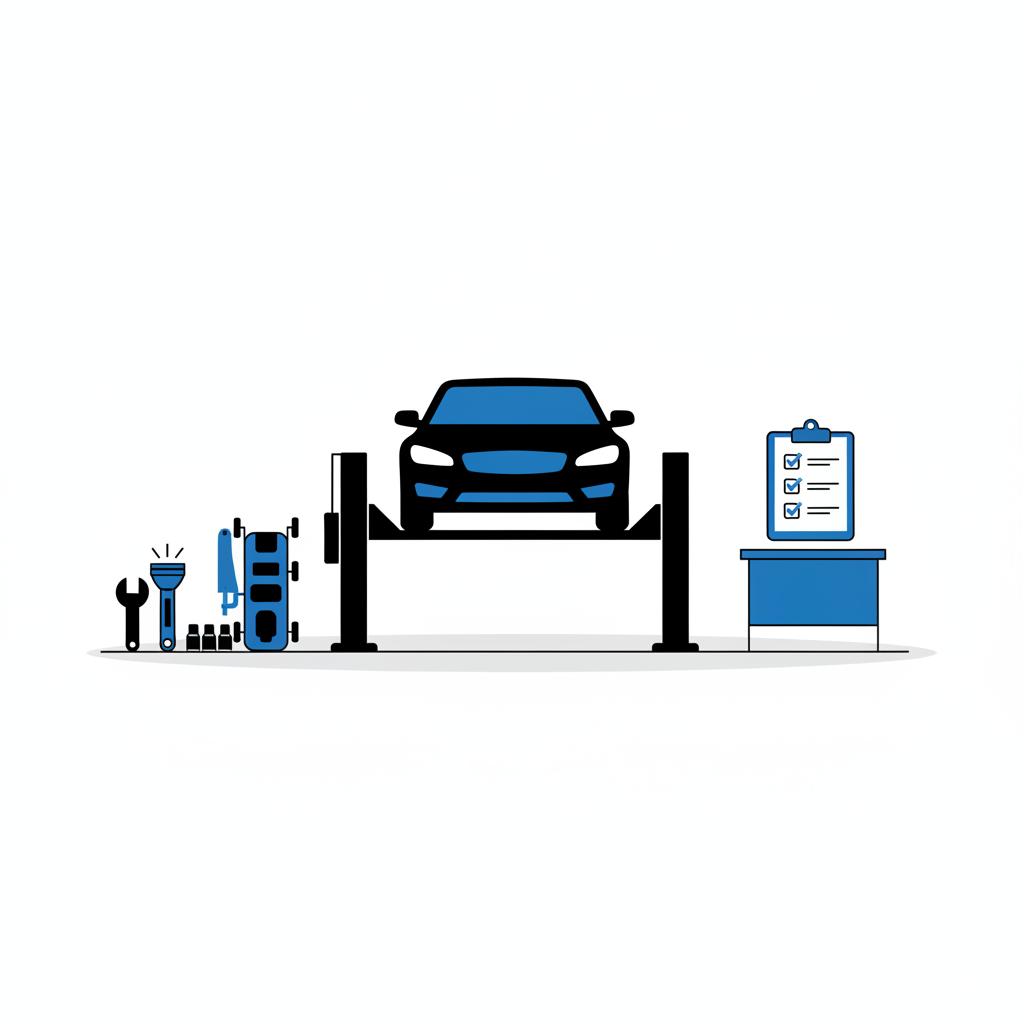
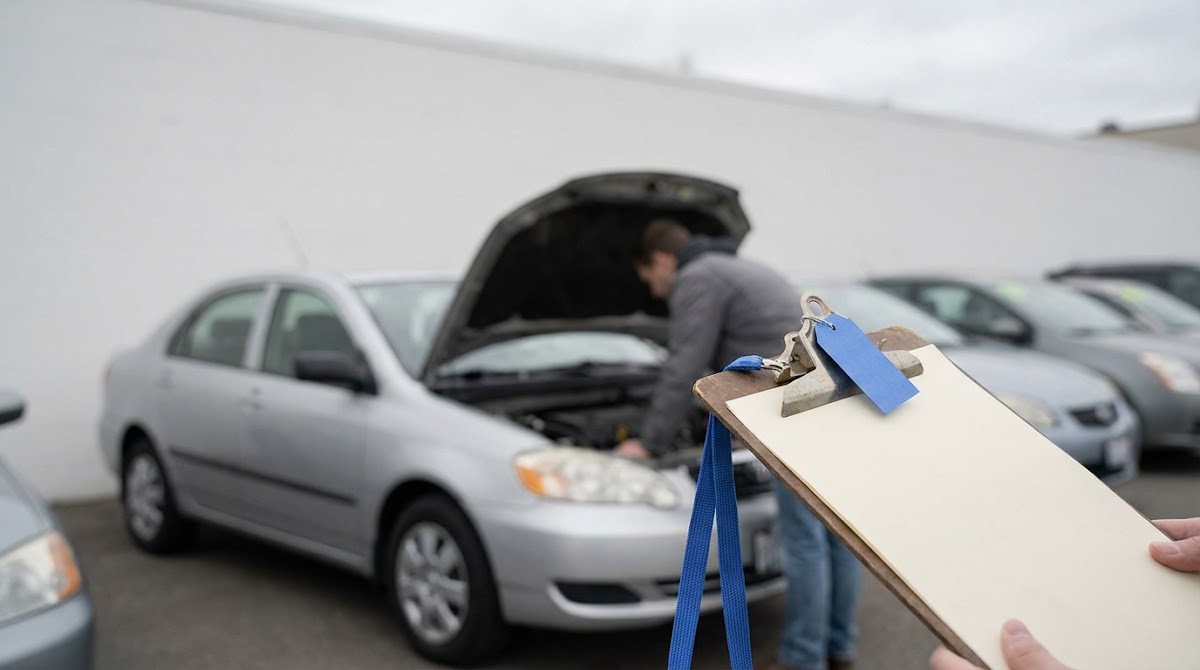
Ask the seller to permit an independent inspection and choose a mechanic experienced with the model or with a strong reputation for used-car checks. A good inspection covers engine compression, transmission behavior, suspension, brakes, fluid leaks and a diagnostic scan NHTSA inspection guidance.
Request a written report and a clear list of required repairs with estimated costs. Mechanics commonly report issues such as oil leaks, worn brake components, and transmission hesitation; get a repair estimate and fold it into your offer ceiling.
If the inspection identifies major mechanical work or safety concerns, factor repair costs into your TCO and consider walking away if the seller will not address the issues or offer a substantially lower price.
Pricing tactics: how to prioritize listings and set an offer ceiling
Start by creating a shortlist of listings with clear title status and reasonable price-analysis labels, then use local pricing tools and the inspection report to set a realistic offer ceiling. Factor in estimated immediate repairs and a contingency buffer for unexpected issues Kelley Blue Book pricing.
Estimate repair costs from the mechanic's written notes and reduce your offer ceiling accordingly. For example, if a needed repair will cost more than your buffer, either negotiate a lower price or walk away.
If you need to set a conservative ceiling quickly, use your TCO estimate and preserve a repair buffer equal to at least a modest portion of the purchase price. This protects you from costly surprises after transfer.
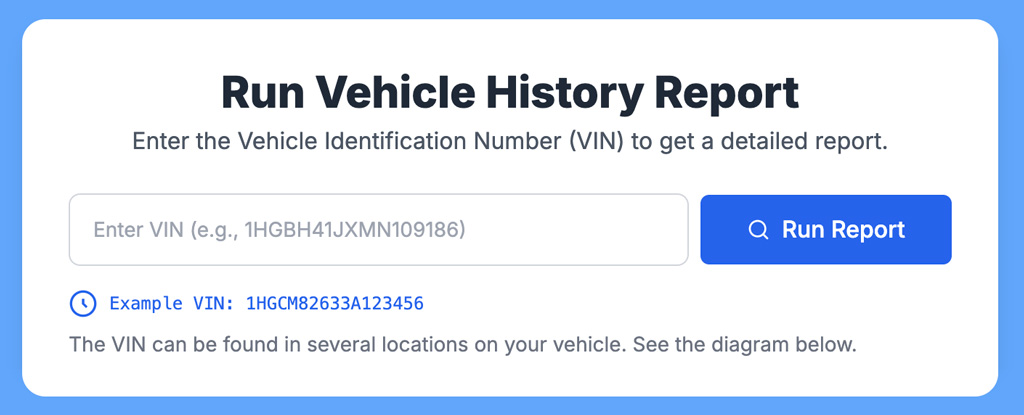
Run a VIN report to confirm history before you offer
Use pricing tools, your inspection notes and a repair buffer to set a conservative offer ceiling before you make an offer.
Negotiation and paperwork: final checks before signing
Confirm clear title status and that the name on the title matches the seller. Verify there are no liens recorded and get a detailed bill of sale that lists the agreed price, VIN and odometer reading at time of transfer NHTSA title checklist.
Ask for and retain copies of service records, repair invoices and any documentation of completed recall work. If the dealer offers a warranty or return window, get the terms in writing and keep the contact details with your sale documents.
Before you sign, read the paperwork carefully and confirm any verbal promises are included in the written agreement. Keep photo copies of documents and the signed bill of sale for your records.
Red flags that should make you pause or walk away
Branded titles such as salvage or rebuilt are serious red flags for many buyers because they often indicate major prior damage; most buyers should require an independent inspection and a clear explanation before proceeding NHTSA title advice.
Inconsistent ownership records, unexplained mileage changes or a history of major accidents require documented explanations. If the seller cannot provide records or if the VIN report contradicts the listing, be ready to walk away.
If a dealer or private seller refuses to share a VIN-based report or to allow an independent inspection, treat that refusal as a strong warning sign and consider other listings instead.
Examples: three actual listing comparisons and decision notes
Example A: older low-mileage compact. Age is high but mileage is low and the VIN report shows regular service entries and a single owner. Mechanic notes minor wear and no major concerns, so TCO is modest and the car is worth an in-person inspection Edmunds examples.
Example B: newer high-mileage midsize. Newer year but higher miles; VIN report shows multiple owners and one moderate accident. Mechanic flags potential upcoming brake and suspension work. The expected repair costs push the TCO higher, making this a lower priority unless the price is substantially below local market.
Example C: well-priced compact with incomplete service records. The price-analysis label looks good, but the VIN report shows a title brand that needs more documents. In this case, walk away or insist on a complete, documented repair and a mechanic inspection before offering.
Checklist you can print and use during visits
One-page checklist essentials: confirm VIN and title status, request service records, photograph documents, test basic systems on a short drive, and note any fluid leaks or noises for the mechanic to inspect NHTSA checklist.
Record dealer answers and mechanic notes clearly: write the VIN, listing price, price-analysis label, date of inspection and the mechanic's written estimate for any recommended repairs. Save receipts and inspection reports to refine your TCO calculation.
Bring a phone to photograph documents and the odometer. These records help if you later need to verify claims or make an insurance or registration enquiry.
Final steps: where to go from here and sensible next actions
Prioritize listings that show clear title status and complete history reports for inspection, and schedule a pre-purchase inspection before making an offer. Use local pricing tools and your TCO framework to set an informed offer ceiling CarFax Deals planning guidance. Read how to use CarFax Deals how to use.
When a mechanic provides a written estimate, fold repair costs into your offer decision and keep a contingency buffer. If a listing has unrepaired safety recalls or branded title events without satisfactory documentation, step back and consider other options.
Keep a short list of two or three inspected cars and compare final TCO numbers, expected repair timelines and dealer transparency before choosing which to buy.
In many U.S. markets a $10,000 budget typically corresponds to vehicles from roughly 2010 to 2016, though mileage and local demand can shift that window.
Price labels help prioritize listings but are comparative signals; always verify with a vehicle history report and an independent mechanical inspection.
Request the title, VIN-based vehicle history report, and any service records. Verify title status, ownership history and documented recall repairs before purchase.
Start by shortlisting vehicles with clear title records and complete history reports, then schedule inspections for the top two or three options. Use local pricing tools and a conservative repair buffer when you set your offer ceiling.
A calm, documented process reduces surprises and helps you choose a car that fits both your budget and your needs.

 Blog
Blog